
Cleaning and conditioning sensitive aircraft leather requires pH-balanced, FAA-compliant cleaners and lightweight, non-greasy conditioners applied with micro-abrasion-free techniques. This specialized process removes structural oils, body sweat, and surface contaminants without obstructing the leather’s microscopic pores or compromising its critical flame-retardant properties. By avoiding harsh alkaline chemicals and heavy oils, detailers protect thin topcoat colorants while preserving structural suppleness.
Technical Specifications for Aviation Leather Care
Aviation leather differs completely from automotive or residential leather due to strict Federal Aviation Administration (FAA) burn-resistance certifications and weight-saving manufacturing treatments. During a standard production process, aircraft upholstery hides are split incredibly thin to reduce weight inside the cabin. They are then treated with specific flame-retardant chemicals that saturate the collagen matrix of the skin.
Because of this delicate chemical and structural balance, utilizing an incorrect cleaning fluid can strip away these protective flame retardants or break down the microscopic polyurethane color topcoat. When executing high-end interior care, technicians must cross-reference all product formulations against technical data sheets to ensure absolute safety compliance.
- pH-Balanced Formulations: Chemical cleaners must maintain a neutral pH between 5.5 and 7.0 to prevent accelerating the dry-rot process or stripping surface color coats.
- Flame-Retardant Compliance (FAR 25.853): All detailing agents must leave zero flammable residue, ensuring the leather continues to pass vertical burn testing requirements.
- Open-Pore Breathability: Conditioning agents must utilize lightweight, water-based emulsions rather than dense animal fats or petroleum distillates to keep natural pores unblocked.
- Low-Moisture Delivery Systems: Foam-dispensed delivery systems minimize structural moisture penetration, preventing internal cushion mold and leather shrinkage.
Step-by-Step Sensitive Leather Restoration Protocol
Restoring fragile leather seating surfaces inside a pressurized cabin requires a highly controlled, chronological process where order is absolutely vital to protect the substrate from surface abrasion. When managing assets for clients running private charters out of flight facilities near Savannah and Hilton Head, following a repeatable, documented standard operating procedure prevents cross-contamination and surface scratching.
- Vacuuming
Utilize a soft horsehair brush attachment to vacuum all seams, welts, and crevices. This step extracts abrasive dirt particles before any liquid cleaning agents are introduced.
- Agitation
Dispense a neutral pH leather cleaner into a dedicated foam aerator. Apply the foam to a soft-bristled detailing brush rather than directly onto the hide, then gently agitate in overlapping circular patterns.
- Extraction
Immediately lift the emulsified dirt and foam residue using a damp, clean microfiber towel. Do not allow the cleaner to dry on the sensitive finish.
- Hydration
Apply a small amount of an FAA-approved conditioner to a microfiber pad. Massage it thoroughly into the hide to restore essential moisture without altering the sheen or tactile feel.
Comparing Aviation Leather Care Mediums
Selecting the correct chemical agent is critical to avoid permanent finish discoloration or legal safety non-compliance. Hand-drawn luxury cabins require chemical combinations that support physical flexibility over extreme thermal cycles. During an interior assessment for an owner hangared in the local regional airspace around Guyton, GA, our specialists often have to remediate surfaces that were treated with substandard consumer products.
The table below outlines how specific compound groups react when applied to high-performance aircraft upholstery hides over time.
| Product Category | Visual Appearance | Pore Breathability Impact | Flammability Risk Factors | Structural Tensile Preservation |
| FAA-Approved Water Emulsions | Factory Satin Matte | Excellent (Pores open) | None (Leaves zero residue) | Exceptional |
| Standard Automotive Conditioners | High Gloss / Greasy | Poor (Clogs pores) | Moderate (Heavy silicone buildup) | Moderate |
| Saddle Soaps & Animal Fats | Sticky / Darkened | Zero (Fully blocked) | High (Leaves flammable film) | Poor (Softens leather excessively) |
| Alkaline Multipurpose Cleaners | Stripped / Faded | Fair | None | Dangerous (Causes immediate cracking) |
Debunking the Myth: “Shiny Leather Signals Cleanliness and Proper Conditioning”
A dangerous misconception in corporate aviation maintenance is that a glossy, reflective sheen on leather seats indicates a perfectly cleaned and conditioned surface. Many flight crews and asset managers mistakenly believe that a high-shine surface mimics a freshly waxed aircraft exterior.
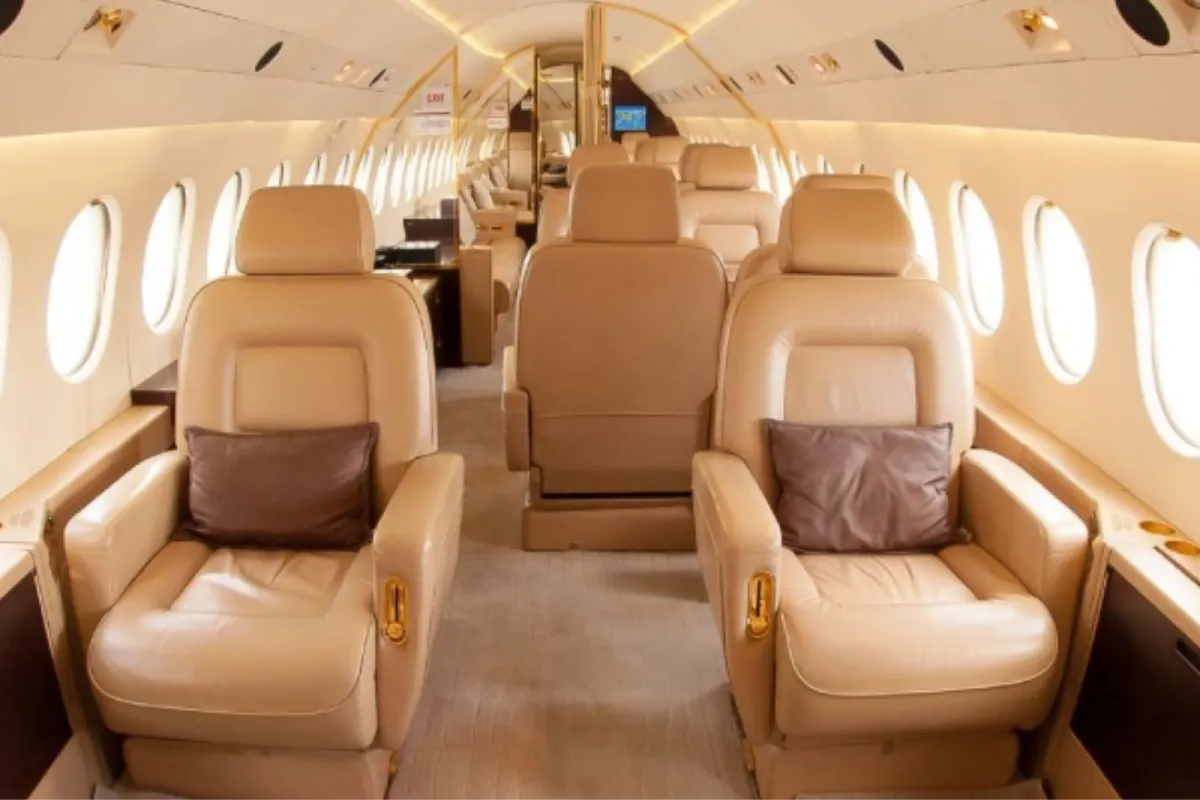
In reality, healthy, factory-fresh aviation leather possesses a soft, refined matte or satin finish. A shiny or slick appearance is actually a direct sign of severe contamination. This glaze is created by an accumulation of trapped body oils, sweat, industrial grease, and incorrect silicone-based detailing products. Over time, this glossy layer hardens, trapping heat and UV radiation within the hide, which accelerates topcoat cracking, stitch line failure, and premature leather dry rot. A proper deep clean completely removes this slick layer, returning the hide to its original, soft matte texture.
Applying Our Elite Aviation Protocols to Solve This
Maintaining the delicate ecosystem of a luxury aircraft cabin demands a detailing group that understands material science, not just basic cleaning. At Lowcountry Detail Center, we treat interior restoration with absolute operational discipline. We eliminate the guesswork and substandard practices that threaten costly cabin components, delivering a clean room standard of care every single time.
Our specialized crew focuses daily on maintaining aerodynamic efficiency & performance while preventing corrosion & environmental damage across all exterior and interior touchpoints. We implement custom preservation techniques geared specifically toward enhancing the longevity & resale value of your aircraft, ensuring every surface matches pristine flight deck standards.
We provide flexible scheduling to minimize downtime, operating around your flight logs, whether you are servicing private jets, commercial planes & helicopters. Our programs feature completely customized maintenance plans for regular upkeep, executed solely by certified aviation detailing experts using FAA-approved products & procedures.
Whether you need specialized aviation detailing in Guyton or comprehensive exterior paint correction, our teams deliver unmatched results. We are trusted by pilots, private owners & charter services who demand passion, precision & protection. Backed by a legacy of excellence in auto & aviation care, our certified experts remain trusted by enthusiasts & professionals alike. We bring excellence in every detail, every time, through our strict customer-centered approach. You come first. This operational blueprint fulfills our promise: precision, transparency, and trust, built upon more than 20+ years of experience.
Executing Precision Maintenance Across the Local Region
Aircraft operating throughout regional travel corridors face unique environmental stressors that demand precise, expert oversight. From high coastal humidity to sudden inland temperature shifts, local corporate aircraft are regularly exposed to atmospheric conditions that test the structural integrity of both interior cabin materials and exterior paint finishes. Managing these high-value transportation assets requires local infrastructure and a team thoroughly certified in aerospace care standards.
When organizing high-end asset management, working with local specialists who specialize in aviation detailing in Guyton, GA, guarantees that your aircraft receives treatment using specialized equipment tailored to regional storage variables. We understand the specific hangar conditions, air quality profiles, and environmental challenges unique to our region.
For discerning flight departments and private operators, integrating elite Guyton aviation detailing into your regular maintenance schedules removes the risk of long-term cabin deterioration. Our meticulous interior restoration protocols preserve the texture, safety ratings, and factory aesthetics of your seating configurations. Whether your aircraft is stationed at a private strip or a major regional runway, our fully equipped teams deliver consistent, immaculate care that protects your capital investment from premature wear.
Preserve Your Fleet Asset Integrity Today
Allowing cabin surfaces to collect organic oils destroys the refined flight experience and permanently degrades high-value interior configurations. Protecting these sensitive assets requires a professional partner dedicated to providing absolute excellence in high-end care, ensuring you can feel completely confident and reassured that your aircraft is in expert hands.
At Lowcountry Detail Center, we prioritize customer satisfaction, transparency, and the total trust of our clientele. We focus on delivering seamless premium service experiences tailored to luxury assets, aviation fleets, and high-end client needs, guaranteeing efficiency and absolute satisfaction from initial booking to final rollout.
Incorporate advanced care into your asset protection program today. Contact us to connect directly with our certified team to book your tailored fleet consultation.
People Also Ask
How often should aircraft interior leather seating be conditioned?
For aircraft operating regular flight schedules, sensitive leather seating should be cleaned and conditioned every three to six months. Pressurized, low-humidity cabins accelerate the evaporation of natural moisture from the hides, requiring consistent, professional care to prevent structural cracking.
Will using steam cleaners ruin sensitive cabin leather components?
Yes, using direct high-temperature steam on sensitive aviation leather can instantly shrink the hide, ruin the integrated flame-retardant chemistry, and delaminate the topcoat pigment layer. Dry foam or low-moisture extraction is the only safe standard for aerospace cabins.
What causes leather color transfer, and can it be removed safely?
Color transfer is caused by dark clothing dyes migrating directly into the open pores of light aviation leather under cabin heat and friction. It can be safely removed if caught early using a specialized neutral pH cleaner and a gentle soil extraction pad, followed by a breathable, stain-blocking protectant.
Do automotive detailing products comply with FAA standards for aircraft interiors?
No, the vast majority of automotive detailing products contain heavy silicones, petroleum distillates, or slick gloss agents that fail FAA flammability standards under FAR 25.853. Only certified, laboratory-tested aviation formulas should ever be introduced to an aircraft cabin.