
Paint protection film develops surface contamination instead of physical damage because microscopic airborne pollutants, road tar, and industrial fallout embed themselves into the urethane topcoat rather than penetrating through to harm the factory paint underneath. The film acts as a sacrificial barrier, absorbing and trapping environmental debris on its exterior surface to keep your vehicle’s clear coat completely safe.
The Technical Science of Urethane Film Pores and Contaminant Adhesion
Understanding why protective films accumulate stubborn residue requires analyzing the microscopic texture and chemical composition of modern thermoplastic polyurethane. When vehicle owners examine their protective wraps, recognizing how microscopic pores interact with environmental pollutants is essential for proper maintenance.
Key Protective Film Specification Definitions
- Thermoplastic Polyurethane (TPU): The elastomeric polymer base that provides the film’s exceptional tensile strength and impact absorption.
- Elastomeric Clear Coat: The flexible, self-healing top layer that seals the film surface and accommodates minor environmental expansion.
- Surface Tension Energy: The physical property determining how aggressively road oils, tree sap, and industrial fallout grip the exterior film barrier.
| Contaminant Type | Primary Source | Adhesion Mechanism on Film |
| Industrial Fallout & Rail Dust | Steel mills, train brakes, and urban air pollution | Airborne iron particles bond chemically and embed into the topcoat pores. |
| Organic Tree Sap & Bug Acids | Foliage, seasonal blooms, and insect splatter | Acidic residues etch lightly into the topcoat if left exposed to intense heat. |
| Road Tar & Petroleum Oils | Fresh asphalt and heavy highway traffic | Viscous hydrocarbons cling tightly to the low-surface-energy polyurethane. |
During a recent vehicle enhancement project for a client, our technical team examined how coastal humidity and local airborne fallout interact with high-end wraps. Selecting an optimized paint protection film in Beaufort, SC, for installation allowed the owner to maintain pristine clarity while ensuring that environmental pollutants remained localized entirely on the sacrificial topcoat rather than etching the factory paint beneath.
Chronological Stages of Surface Contamination Accumulation and Decontamination
Managing surface contamination on wrapped vehicles requires a structured, multi-step maintenance protocol to safely extract embedded pollutants without degrading the underlying urethane structure. When vehicle owners seek out professional paint protection film in Beaufort solutions, following a meticulous restoration protocol guarantees long-term durability.
- Alkaline Foam Pre-Soak
Dissolve heavy organic road films, bug proteins, and loose oils using a specialized pH-balanced pre-wash foam.
- Chemical Iron and Tar Dissolution
Apply dedicated iron-remover sprays to break down embedded metallic fallout and tar-dissolving solvents for sticky road residues.
- Lubricated Polymer Clay Treatment
Gently glide a fine-grade synthetic clay mitt over the lubricated surface to lift microscopic bonded debris from the film pores.
- Protective Sealant Re-Application
Replenish the film’s hydrophobic barrier by applying a specialized ceramic booster or film-safe sealant.
We regularly guide vehicle enthusiasts from surrounding regional hubs like Savannah, Guyton, and Hilton Head through these exact restoration phases. Ensuring that every Beaufort, SC paint protection film installation receives proper ongoing maintenance preserves both the aesthetic appeal and the protective integrity of the wrap.
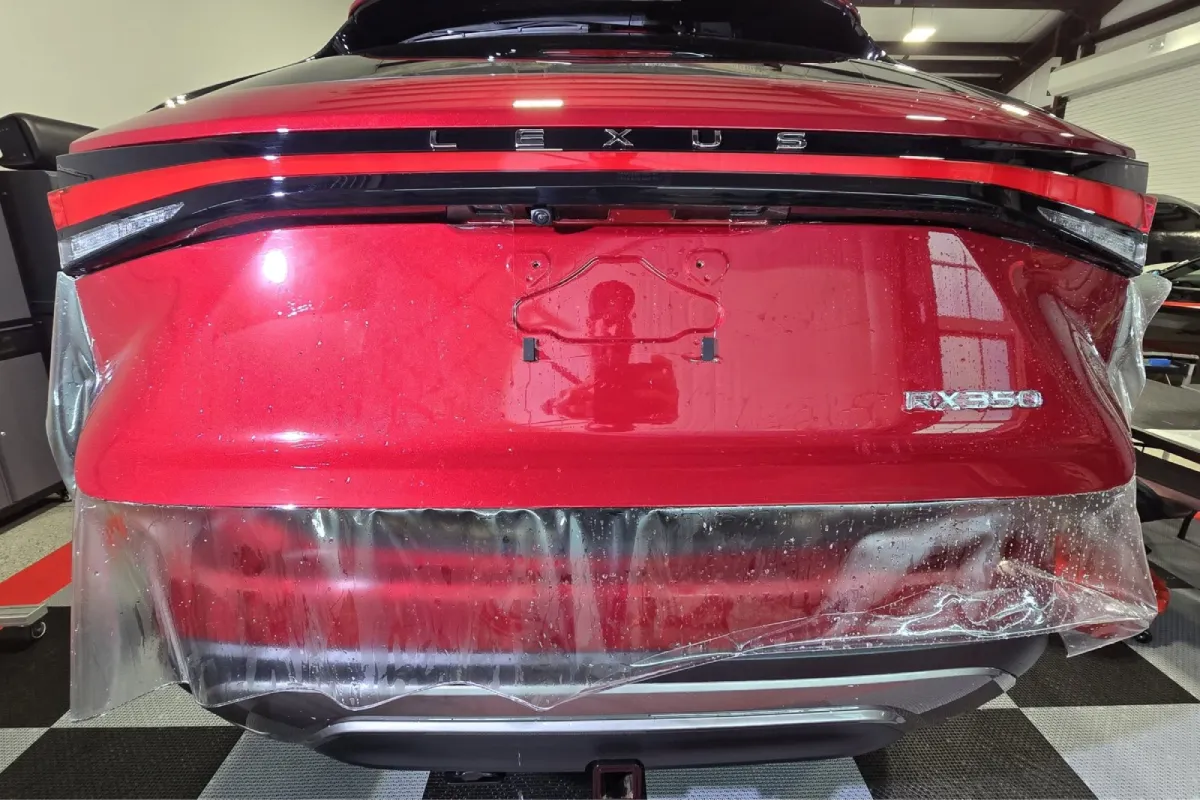
How-to: Inspecting Your Wrapped Vehicle for Surface Contamination
Determining whether your vehicle’s protective wrap has accumulated stubborn surface contamination or sustained actual physical impact requires a straightforward tactile and visual examination. Follow these core steps to evaluate your film’s condition:
- Perform the Plastic Baggie Test: Slip your hand inside a clean polyethylene bag and lightly glide your fingertips across the hood or fenders to detect invisible bonded grit.
- Inspect for Discoloration Halos: Look closely under natural sunlight for yellowish or brownish speckling around industrial fallout spots.
- Check Hydrophobic Performance: Observe how water beads on the surface; flat, sluggish water movement indicates that surface pores are clogged with particulate contamination.
Debunking the Myth: “If Paint Protection Film Has Contamination, It Means the Film is Failing and Needs Replacement”
A widespread industry misconception is that visible staining, rough texture, or embedded fallout on paint protection film indicates structural product failure, requiring expensive film stripping and full panel re-installation.
In reality, surface contamination proves that the film is doing its exact job as a sacrificial barrier. While raw paint would permanently etch, pit, or oxidize when exposed to industrial fallout, road tar, and organic acids, high-quality thermoplastic polyurethane absorbs these environmental hazards externally. Proper chemical decontamination and professional detailing easily restore the film’s original clarity, texture, and protective performance without replacing the material. Partnering with specialists experienced in high-grade Beaufort paint protection film care ensures your investment receives accurate, honest evaluations and expert maintenance.
Elevating Your Protective Film Maintenance Standards
To address the common challenges of vehicle ownership, where environmental pollutants, road debris, and solar exposure test your wrap’s integrity, we anchor our daily care and installation processes in a rigorous quality framework.
At Lowcountry Detail Center, we operate as a professional, high-end automotive care partner dedicated to maintaining the appearance and longevity of your vehicle. Backed by 20+ years of experience, we bring a legacy of excellence in auto care to every platform we service. As certified installers of premium ppf brands and certified experts, trusted by enthusiasts & professionals, our approach embodies passion, precision & protection delivered through unmatched attention to detail & craftsmanship.
Whether we are delivering excellence in every detail, every time, maintaining a strict customer-centered approach where you come first, or upholding our promise: precision, transparency, and trust, our work reliably shields against road debris, bugs & environmental damage while actively preventing paint fading from South Carolina’s harsh sun. Utilizing advanced self-healing technology, minor scratches disappear; our applications are trusted by enthusiasts & luxury car owners across the Lowcountry who demand nothing short of perfection.
Protect and Restore Your Investment Today
Dealing with rough texture, stubborn staining, or environmental fallout on your vehicle’s protective film can compromise its appearance, but it doesn’t mean your wrap is ruined. At Lowcountry Detail Center, we provide expert film maintenance and professional decontamination services to help restore your protective film’s appearance and keep it performing at its best.
Contact us today to schedule your protective film inspection or maintenance service, and experience the ultimate combination of precision craftsmanship, advanced protection, and long-lasting clarity!
Frequently Asked Questions
Can clay bars damage paint protection film?
Using aggressive traditional clay bars with insufficient lubrication can scratch or dull the film’s topcoat; modern fine-grade synthetic clay mitts designed specifically for PPF should always be used.
Why do white cars with PPF look yellow over time?
Yellowing is usually caused by surface-level contamination, road grime, or failing low-quality adhesive layers rather than the polyurethane film itself, and can often be chemically corrected.
How often should protected vehicles undergo chemical decontamination?
Vehicles driven daily in industrial or coastal environments benefit from a thorough iron-removal and chemical decontamination wash every six months.
Will ceramic coating prevent contamination from sticking to PPF?
Yes. Applying a specialized ceramic coating over paint protection film creates an ultra-slick, hydrophobic top layer that drastically reduces contaminant adhesion and simplifies routine washing.
Does paint protection film affect the gloss level of factory paint?
Modern high-quality paint protection films are optically clear and available in high-gloss or satin finishes, designed to enhance or match the exact aesthetic profile of your factory paint.