
Installers prevent air bubbles from forming under paint protection film by utilizing a slip-and-tack mounting solution, precise squeegeeing techniques, and gas-permeable film adhesives that allow trapped air and liquid to escape. Certified technicians maintain strict dust-free environmental controls and stretch the thermoplastic polyurethane uniformly across complex curves to eliminate pocket formation.
The Technical Science of Adhesive Bonding and Air Evacuation
Understanding how professional installers achieve a completely optical-grade, bubble-free installation involves examining the microscopic interaction between the polyurethane film, the pressure-sensitive acrylic adhesive, and the painted vehicle substrate. When paint protection film is applied without proper technique, trapped air pockets or premature adhesive tacking create visible distortions.
Key Paint Protection Film and Adhesive Definitions
- Pressure-Sensitive Adhesive (PSA): An acrylic-based adhesive layer on the underside of the film that activates under firm physical squeegee pressure rather than immediate contact.
- Slip Solution: A specialized water and baby shampoo mixture applied to the vehicle panel that temporarily neutralizes the adhesive’s stickiness, allowing installers to position the film accurately.
- Tack Solution: A higher-concentration alcohol and water mix used to accelerate adhesive bonding along film edges and complex recessed areas.
| Application Stage | Primary Tool Used | Adhesive State | Air Evacuation Method |
| Initial Positioning | Slip solution spray bottle | Inactive (Floating on liquid) | Sweeping large air pockets outward by hand |
| Primary Squeegeeing | Polyurethane edge squeegee | Semi-activated under pressure | Pushing liquid and micro-air channels to edges |
| Final Edge Sealing | Felt-edge squeegee & heat gun | Fully activated and bonded | Thermal setting to secure edges against lifting |
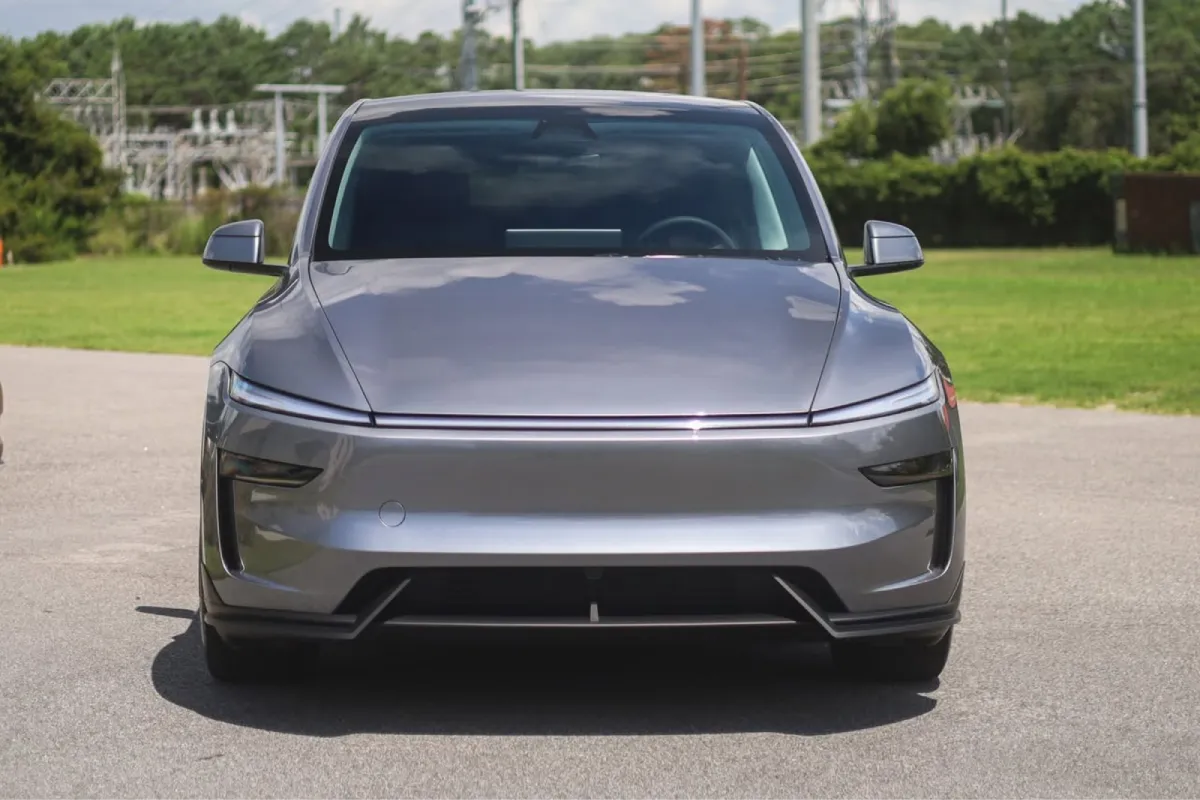
During a recent luxury vehicle protection project for a client, our technical team examined how coastal humidity and high ambient temperatures influence adhesive curing times. Implementing a meticulous paint protection film installation protocol allowed us to control slip solution evaporation rates, ensuring that every square inch of the vulnerable front fascia bonded seamlessly without trapping microscopic air pockets.
Chronological Stages of Flawless Paint Protection Film Installation
Achieving a seamless, bubble-free finish requires a rigorous, multi-step installation workflow designed to maintain absolute surface cleanliness and precise tension control. When discerning owners seek elite paint protection film in Hilton Head, SC solutions, following a structured, step-by-step application process guarantees immaculate optical clarity.
- Surface Decontamination
Strip all wax, grease, and microscopic iron fallout using a clay bar and isopropyl alcohol wash to ensure zero particulate interference.
- Slip Solution Flooding
Saturate both the painted panel and the adhesive backing with slip solution to prevent premature bonding and trap-free positioning.
- Structured Squeegee Extraction
Execute overlapping, angled passes with a soft squeegee from the center outward to chase all liquid and air out through the edges.
- Thermal Curing and Inspection
Apply controlled heat via a heat gun to soften the film around deep recesses and perform a final high-intensity light inspection.
We routinely assist vehicle enthusiasts and exotic car owners from surrounding areas like Savannah, Guyton, and across South Carolina through these exact precision phases. Ensuring that every Hilton Head, SC paint protection film project is handled by certified experts guarantees that modern sportscars and luxury daily drivers receive uncompromising, invisible defense.
How-to: Inspecting and Troubleshooting Trapped Air Bubbles
Determining whether a newly installed paint protection film has minor trapped moisture that will naturally evaporate or a permanent air bubble that requires professional extraction can be evaluated through a structured inspection routine. Follow these core steps:
- Allow for Natural Curing Time: Keep the vehicle in a warm environment for 48 to 72 hours, allowing microscopic moisture to breathe through the gas-permeable polyurethane film.
- Examine Pocket Characteristics: True air bubbles feel hard, have sharp edges, and do not shrink over time, whereas moisture vapor pockets appear slightly hazy and gradually diminish.
- Professional Relief Technique: For trapped air pockets that fail to dissipate, certified installers use an ultra-fine syringe needle to puncture the edge of the bubble and press the air out smoothly.
Whether you protect a grand touring coupe or an exotic track car, executing this inspection protocol ensures absolute peace of mind. Professional-grade Hilton Head paint protection film applications demand rigorous quality control from initial squeegee work to the final thermal edge-lock.
Debunking the Myth: “Any Bubbles Seen Immediately After PPF Installation Are Permanent Imperfections That Mean the Film Was Ruined”
A widespread automotive care misconception is that if a vehicle owner spots tiny bubbles or haziness immediately after picking up their car from a paint protection film installation, the job was botched and the film is permanently ruined.
In reality, most minor bubbles and milky spots visible right after installation are actually microscopic moisture pockets left behind from the slip solution. Because modern high-grade polyurethane film is porous and breathable, this trapped water evaporates through the film over a period of one to two weeks depending on ambient humidity and sunlight exposure. True installation defects (like trapped dust specs or creased air pockets) look entirely different and are easily distinguished by professional technicians.
Elevating Your Vehicle Protection Standards
To address the demanding challenges of automotive ownership, where road debris, harsh sun exposure, and daily wear threaten your vehicle’s pristine finish, we anchor our protection processes in a rigorous quality framework.
At Lowcountry Detail Center, our brand is professional, high-end, and dedicated to providing excellence in automotive care. We aim to be seen as a trusted partner offering expert detailing and protection services, committed to maintaining the appearance and longevity of our clients’ vehicles. Guided by superior customer service, top-tier certifications like STEK, and environmentally friendly practices, we ensure every service meets the highest industry standards.
When you entrust your high-end automobile or aviation project to our certified professionals, we deliver a meticulous transformation designed to shield against road debris, bugs & environmental damage. Our advanced films actively prevent paint fading from South Carolina’s harsh sun, utilizing self-healing technology; minor scratches disappear automatically under ambient heat. As certified installers of premium PPF brands trusted by enthusiasts and luxury car owners across the Lowcountry, we provide unmatched attention to detail & craftsmanship where passion, precision & protection meet. Backed by a legacy of excellence in auto care and over 20 years of experience, our certified experts deliver excellence in every detail, every time. Through our customer-centered approach, where you come first, our promise is rooted in precision, transparency, and trust, ensuring you feel confident and reassured that your vehicle is in expert hands.
Protect Your Vehicle’s Finish Today
Leaving your car’s paint exposed without protective film invites permanent stone chips, road rash, and environmental damage. You don’t have to risk your vehicle’s appearance when Lowcountry Detail Center provides professional, certified paint protection film installation backed by expert craftsmanship.
Contact us today to schedule your PPF consultation, and experience the ultimate combination of invisible defense, flawless clarity, and long-lasting peace of mind!
Frequently Asked Questions
Can I pop PPF air bubbles myself with a pin?
It is strongly discouraged; poking the film without professional training can permanently tear the polyurethane, allow water infiltration, and void your manufacturer warranty.
How long does it take for water bubbles under PPF to disappear?
Most minor moisture pockets completely evaporate on their own within 1 to 4 weeks, depending on ambient temperature, humidity, and direct sun exposure.
Why do some PPF installations develop lifting at the edges?
Edge lifting typically occurs due to improper post-heating, wax contamination on the panel edges during prep, or excessive stretching around sharp bumper contours.
Is paint protection film completely invisible once cured?
Yes. High-end thermoplastic polyurethane features crystal-clear optical clarity that blends seamlessly with factory paint without altering color or metallic flake depth.
Can paint protection film be safely removed without damaging the paint?
Yes. Professional installers can safely heat and peel away aged or damaged PPF without leaving adhesive residue or harming the underlying factory clear coat.