
If you’re considering tinting your vehicle’s windows in Hilton Head, SC, you may be wondering how it affects visibility while driving. The answer is yes: window tinting can affect visibility, especially at night or in certain weather conditions. However, the impact on visibility largely depends on the tint percentage and the driving environment.
In this post, we’ll explore how tinted windows might affect your driving experience, focusing on visibility, and provide tips for choosing the right tint to ensure both safety and comfort.
Understanding Window Tinting
Window tinting Hilton Head SC involves applying a thin film to your car’s windows. This film can help reduce sunlight, heat, glare, and UV rays, making your driving experience more comfortable. In a sunny area, tinting can be especially beneficial by protecting both your car’s interior and your skin from harmful rays.
There are various types of tint available, including dyed, metallic, and ceramic films. These options offer different benefits, but the level of tint applied, typically measured by the percentage of light allowed through, will determine the effect on both your comfort and visibility.
How Window Tinting Works
Before we delve into visibility, let’s quickly review how Hilton Head SC window tinting functions. The purpose of tint is to block significant amounts of heat, glare, and UV radiation from the sun. In a coastal region like Hilton Head, this can make a huge difference in both comfort and protection.
- UV Protection: Tint blocks harmful rays that can damage your skin and cause your car’s interior to fade.
- Glare Reduction: The primary benefit of tinting is reducing glare from sunlight, headlights, and bright nighttime lights.
- Heat Reduction: By blocking sunlight, tinting helps keep the cabin cooler, especially on hot days.
Does Window Tinting Affect Visibility While Driving?
While window tinting offers several advantages, it can also affect visibility while driving, especially in low-light conditions or adverse weather. Here’s how:
1. Impact of Darker Tints
Tint darkness is an important factor in visibility. Darker tints can provide excellent privacy and heat reduction, but they can also make it harder to see, particularly at night.
- Darker Tints: If your windows are tinted very dark, like 5% or 15%, visibility can be compromised at night, especially when driving on poorly lit roads. If you frequently drive at night, you may want to opt for a lighter tint for better visibility.
- Lighter Tints: Tints around 35% to 50% balance privacy, sun protection, and visibility. This range allows you to benefit from glare reduction without sacrificing too much visibility.
2. Nighttime Visibility
At night, tinted windows may be more challenging, especially with darker shades. Because darker films block more light, it can become difficult to see clearly when driving in poorly lit areas. Hilton Head, with its coastal roads and occasional fog, may pose additional challenges for low-light driving.
If you often drive at night, you might want to choose a lighter film to avoid compromising your ability to see obstacles, pedestrians, and traffic signs.
3. Driving in Rain and Fog
Weather conditions like rain or fog can make driving challenging, and window tinting Hilton Head can sometimes add an extra layer of complexity. In rainy or foggy conditions, tinted windows can reduce the amount of light coming into your vehicle, making it harder to see clearly.
For safety, it’s important to maintain your windows clean and to adjust your driving habits when conditions are less than ideal. While tinting can reduce glare, it won’t improve visibility in rain or fog, so you’ll need to drive more cautiously.
The Pros and Cons of Window Tinting for Hilton Head Drivers
Let’s break down the benefits and potential downsides of window tinting for drivers in Hilton Head.
Pros:
- Increased Comfort: Window tinting helps reduce heat ingress into your vehicle, making the ride more comfortable during the summer months.
- UV Protection: Tint helps protect your skin from harmful UV rays while preventing the interior of your car from fading over time.
- Improved Privacy: Tinted windows enhance privacy by making it harder for others to see inside your car.
Cons:
- Reduced Visibility: Darker tints can reduce visibility, particularly in low-light conditions or during adverse weather such as rain or fog.
- Legal Restrictions: South Carolina has laws governing the darkness of tint. Make sure your windows comply with local regulations to avoid fines.
- Possible Glare at Night: While tinting reduces glare from the sun, it can sometimes increase glare from headlights.
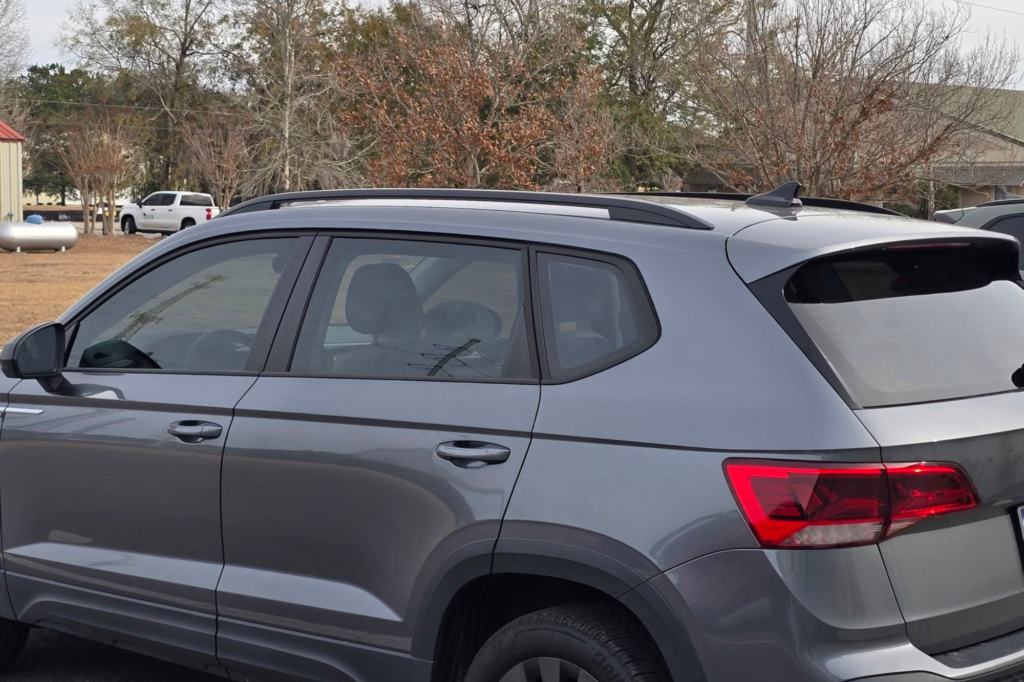
Tips for Safe Driving with Tinted Windows
If you choose to tint your windows, consider these tips to ensure optimal visibility and safety:
Select the Right Tint
Choose a tint that strikes the right balance between comfort and visibility. For most drivers on Hilton Head, a medium tint (around 35% to 50%) will reduce glare without significantly reducing visibility.
Maintain Good Driving Practices
Even with tinted windows, always be mindful of driving conditions. At night or in bad weather, slow down and adjust your driving to account for potentially reduced visibility.
Regular Tint Inspections
Check your tint for any damage or wear. A damaged tint film can further reduce visibility and safety, so it’s important to have it professionally repaired if necessary.
In Summary
Window tinting in Hilton Head, SC, can improve comfort by reducing glare and heat, but it can also affect visibility. Choosing the right tint is essential, especially if you frequently drive at night or in foggy weather. Lighter tints tend to maintain visibility better, while darker tints may compromise it, particularly in low-light conditions. At Lowcountry Detail Center, we help you select the perfect tint to balance comfort, style, and safety.
Ready to enhance your driving experience and protect your car from the Hilton Head sun? Contact us today for professional window tinting services that combine comfort, style, and safety. Our team is here to help you choose the perfect tint for your vehicle, ensuring both privacy and visibility!
Frequently Asked Questions (FAQ)
1. Does tinting my windows make it harder to see at night?
Yes, darker tints can reduce visibility, especially at night when there is less light. If you often drive at night, it’s best to opt for a lighter tint.
2. Can I get a ticket for having too dark a tint in Hilton Head, SC?
Yes, South Carolina has regulations regarding window tinting. It’s important to ensure your tint complies with the legal limits to avoid fines. Typically, the front windshield must allow at least 27% light transmission, and front side windows must allow the same.
3. Does window tinting protect against accidents?
While window tinting doesn’t prevent accidents, it can help prevent your windows from shattering in a crash, offering an additional layer of safety.