
Aviation detailing experts are transforming aircraft care by shifting from basic cleaning to advanced surface science. Using aerospace-grade ceramic coatings, paint correction, and interior decontamination, they extend airframe longevity, improve fuel efficiency by reducing drag, and ensure rigorous compliance with FAA safety standards, far surpassing traditional maintenance routines.
Evolution of Exterior Maintenance: Beyond the Wash
Modern aviation detailing is no longer just about aesthetics; it is a critical component of preventative maintenance. Experts now utilize nanotechnology to protect specialized alloys and composites from the harsh environments of high-altitude flight. For owners of private jets and turboprops, this evolution means the difference between a depreciating asset and a well-preserved investment.
In the past, “cleaning” an airplane often meant a bucket of soapy water and a brush. Today, aviation detailing in Bluffton, SC, involves a sophisticated understanding of substrate integrity. Whether it is a Cirrus SR22 or a Gulfstream, the exterior faces extreme temperature fluctuations and UV exposure that can cause paint to chalk and oxidize. During a recent audit for a client in the Colleton River Club neighborhood, we identified that improper washing techniques had actually contributed to micro-abrasions on the leading edges, proving that specialized expertise is non-negotiable.
Comparison: Traditional Cleaning vs. Modern Aviation Detailing
| Feature | Traditional Cleaning | Modern Aviation Detailing |
| Primary Goal | Visual cleanliness | Surface preservation & performance |
| Chemicals Used | Generic degreasers | pH-neutral, Boeing/Airbus certified |
| Protection | Temporary wax | Nano-ceramic coatings |
| Impact on Fuel | Negligible | Reduced parasitic drag |
| Frequency | As needed (visual) | Scheduled preventive cycles |
The Precision Process: How Experts Protect Your Asset
The transformation of an aircraft occurs through a multi-stage technical workflow designed to restore the factory finish and provide a shield against UV radiation and oxidation. Professional Bluffton aviation detailing requires a climate-controlled environment and technicians who understand that every pound of weight and every micron of paint matters.
5 Stages of Professional Aircraft Restoration
- Decontamination: Deep cleaning of the fuselage to remove carbon exhaust, “sky-print,” and industrial fallout.
- Machine Polishing: Using specialized dual-action polishers to remove oxidation without compromising the skin thickness.
- Brightwork Restoration: Polishing leading edges and engine inlets to a mirror finish to ensure optimal airflow.
- Interior Sterilization: Using antimicrobial treatments and leather rejuvenation that meet fire-retardancy standards.
- Ceramic Integration: Applying a permanent or semi-permanent layer that bonds at a molecular level to the paint.
When we perform aviation detailing in Bluffton, we often see aircraft that have sat on the tarmac at the Hilton Head Airport exposed to salt air. This salt-laden humidity is the enemy of aluminum. By following these five stages, we don’t just make the plane shine; we create a barrier that salt cannot penetrate.
Debunking the Myth: “Detailing Is Just for Show”
A common industry misconception is that detailing is an unnecessary luxury or purely “cosmetic.” In reality, neglecting the exterior is a safety and financial risk. Oxidation and “black streaks” are not just ugly; they hide early signs of corrosion and stress fractures.
By maintaining a pristine surface, detailing experts allow inspectors to identify structural issues more easily. Furthermore, a clean wing surface maintains laminar flow, whereas a dirty or pitted wing can increase fuel consumption by as much as 2% to 5% over long-haul flights. For a high-net-worth individual living in Palmetto Bluff, the cost of a detailing package is often recouped in fuel savings and the prevention of expensive “corrosion pulls” during annual inspections.
Our Proprietary Method: The Aero-Shield Protocol
To ensure the highest level of care, we have developed our proprietary Aero-Shield Protocol. This isn’t just a marketing term; it is a systematic approach to aviation preservation built on three pillars:
- Substrate Analysis: We use ultrasonic thickness gauges to ensure that paint correction never thins the clear coat beyond safe limits.
- Aero-Certified Chemistry: We exclusively use products that meet Boeing D6-17487 and Douglas CSD-1 specifications. Using the wrong degreaser can cause hydrogen embrittlement in high-strength steel or damage acrylic windows.
- Environmental Sealing: Our protocol concludes with a high-solids ceramic application that provides a 9H hardness rating, making the aircraft “self-cleaning” during flight.
By implementing the Aero-Shield Protocol, we ensure that every square inch of the airframe is protected against the acidic nature of bird droppings and the abrasive nature of volcanic ash or desert sand found at high altitudes.
Applying Our Expertise to Solve Aircraft Care Needs
Our Track Record
With over 20 years of experience in the detailing industry, we’ve completed 100+ projects and earned 70+ five-star reviews from satisfied clients. Our team’s Passion, Precision & Protection ensures that your aircraft receives the attention it deserves.
We offer a Legacy of Excellence in Auto & Aviation Care, which means that every detail is covered, whether you’re bringing in your aircraft for a routine cleaning or a full-detail service. Our Certified Experts are trusted by enthusiasts and professionals alike, making us a top choice for both high-end aviation and automotive detailing needs.
Our approach is built on Trust and driven by Results. We work tirelessly to ensure that every client is satisfied and that their aircraft receives meticulous care. At the heart of our philosophy is Precision, Transparency, and Trust, guaranteeing that each aircraft gets the highest level of care and attention.
High-Tech Interior Cabin Transformation
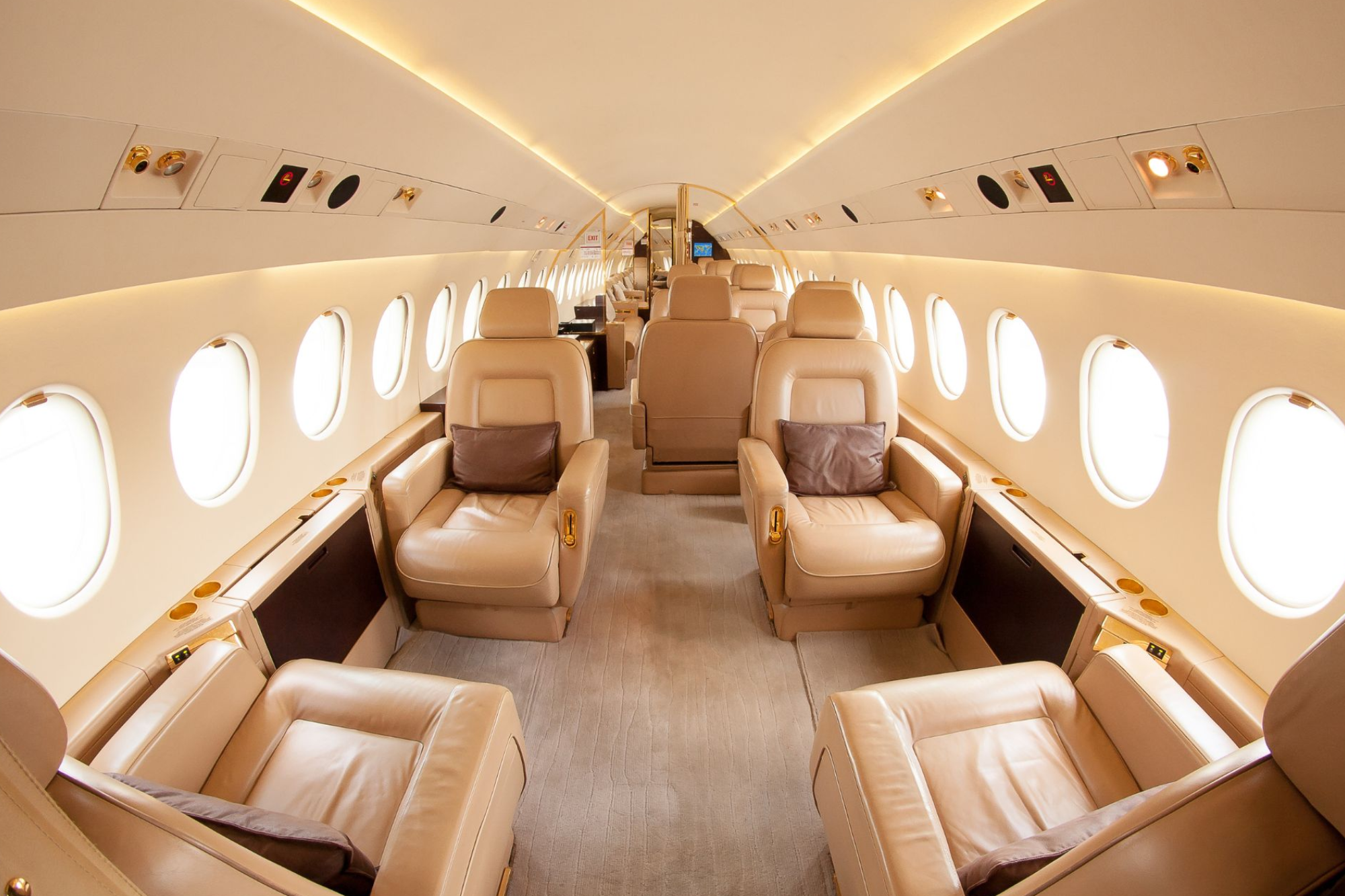
The cabin is where the passenger experience lives. Detailers are now using dry-ice blasting and specialized steam extraction to clean delicate avionics and luxury upholstery without the risk of moisture damage to sensitive electronics.
For our clients in Belfair, we recognize that the interior of the aircraft is an extension of their home or office. We focus on:
- Leather Conditioning: Using oils that do not compromise the fire-retardant chemicals embedded in the hides.
- Avionics Screen Care: Removing fingerprints and dust from glass cockpits using anti-static, non-streak formulas.
- HEPA Decontamination: Ensuring the air quality inside the cabin is pristine, which is vital for long-duration flights.
Trust Your Investment to the Experts
Your aircraft represents more than just a mode of transport; it is a testament to your hard work and a vital tool for your lifestyle. At Lowcountry Detail Center Specialists, we believe in providing superior customer service using the highest quality products and certifications. We prioritize your satisfaction, transparency, and the trust you place in us to handle your most prized assets.
Our brand is professional, sleek, and customer-centric, designed to resonate with those who refuse to settle for anything less than excellence. From initial inquiry through our seamless booking process, we ensure your experience is as smooth as the finish on your wings.
Ready to elevate your aircraft’s protection? Contact us today and see why we are the trusted partner for enthusiasts and professionals alike. Follow us on social media to see our latest transformations!
People Also Ask
How often should I get my aircraft detailed?
The frequency of detailing depends on how often the aircraft is used and the environment it’s exposed to. For aircraft in high-traffic areas or harsh climates like Bluffton, SC, regular detailing every 3 to 6 months is recommended.
Will ceramic coating affect my aircraft’s weight?
The weight added by a ceramic coating is negligible, typically less than a pound for a mid-sized jet, while the reduction in drag can actually improve performance.
Is detailing different from an annual inspection?
Yes. An annual inspection is a mechanical and structural safety check required by the FAA. Detailing is a preservation service that protects the surfaces and can actually help mechanics find issues during their inspections.